


Retaining Wall Edge Stone: Finishing Landscape Walls with Natural Stone
Finishing Landscape Walls with Natural Stone
A retaining wall edge stone can provide a clean and natural finish to the top, side, or exposed edge of a landscape retaining wall. While the main purpose of a retaining wall is to hold back soil, carefully selected edge stone can improve its appearance and connect the structure with the surrounding landscape.
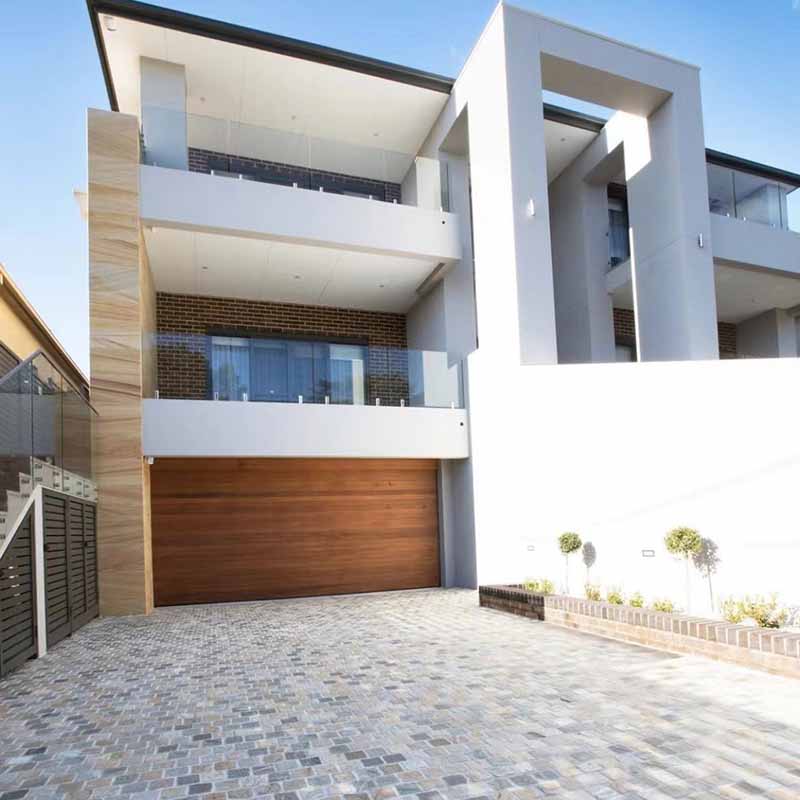
Natural edge stone can be used for:
Garden retaining walls
Sloped backyard landscapes
Villa landscaping
Terrace gardens
Raised planting beds
Commercial landscape projects
Resort gardens
Courtyard walls
Slate, sandstone, limestone, granite, and quartzite can all be considered depending on the project's design and performance requirements.
Why Edge Stone Matters
The top edge of a retaining wall is highly visible. A suitable cap or edge stone can create a defined finish while helping integrate the wall with pathways, lawns, planting beds, and patios.
For a rustic landscape, irregular natural stone can preserve an organic appearance. For modern projects, regularly cut gray or charcoal stone can provide cleaner architectural lines.
Design and Function
Retaining wall edge stone should not be selected only for appearance. The dimensions, thickness, weight, surface finish, and installation method should be compatible with the wall construction.
For structural retaining walls, the underlying engineering and drainage system remain essential. Decorative stone does not replace structural reinforcement.
A well-designed edge treatment can turn a functional retaining wall into an attractive landscape feature.